11 Jun 2026 • 7 Minutes Read
Written by Elore Digital Team
A Step by Step Guide to Semantic Search Optimization
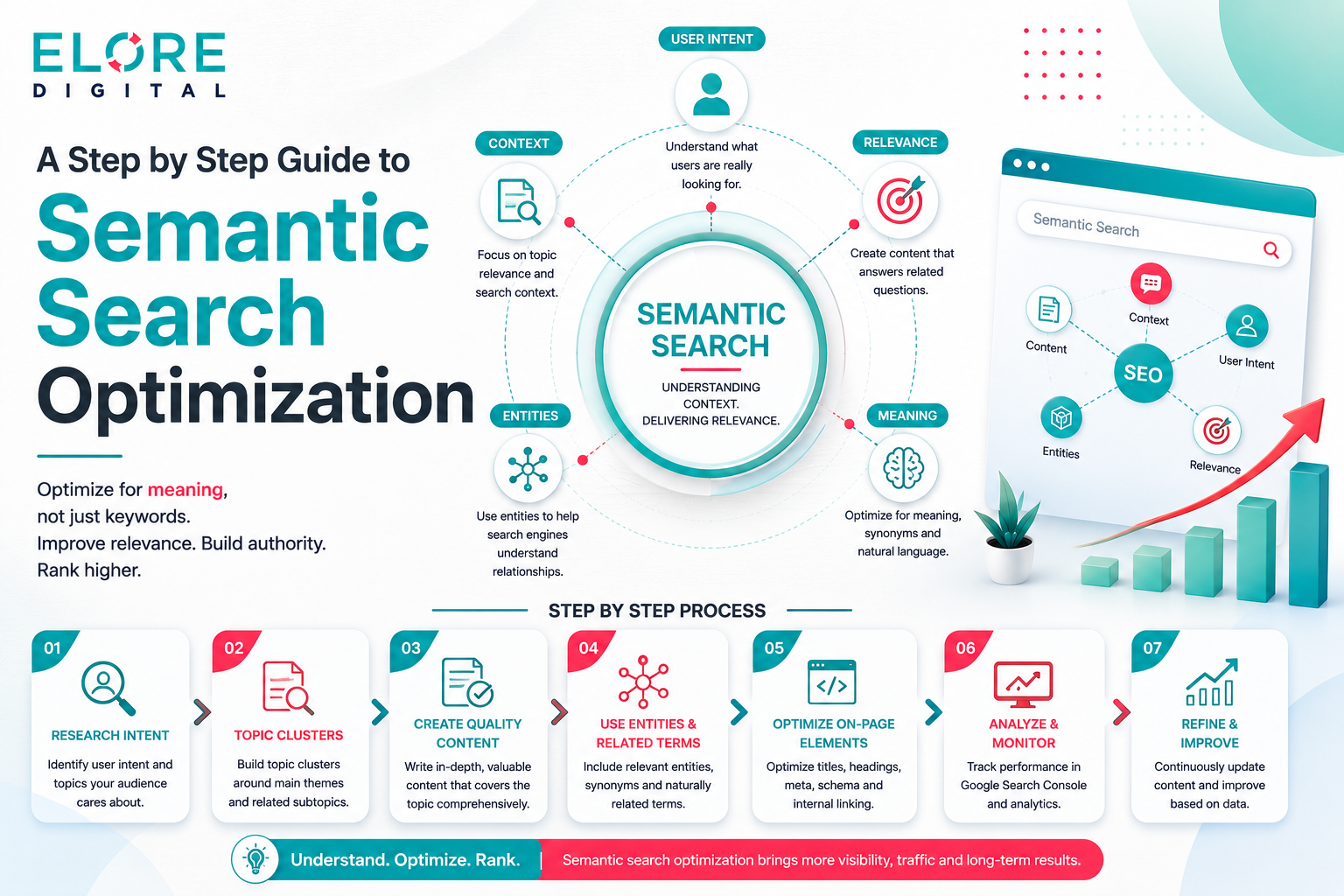
Master semantic SEO with a step-by-step strategy—understand intent, optimize content, and boost your rankings
Search engines have evolved far beyond matching exact keywords in a search query. Today, they focus on understanding the meaning, context, and intent behind a user's search. This shift has made semantic search optimization an essential part of modern content marketing. Instead of creating content around a single keyword, website owners must develop content that answers related questions, covers topics comprehensively, and provides genuine value to users. Semantic search optimization helps search engines understand your content better, improves visibility across a wider range of search queries, and enhances the overall user experience. Businesses and bloggers who adopt this approach are more likely to achieve sustainable growth in organic traffic and search rankings.
1. Understanding Semantic Search and Why It Matters
Semantic search has transformed the way search engines interpret and rank content. Rather than focusing solely on individual keywords, search engines analyze context, user intent, and relationships between words. This allows them to provide more accurate and relevant results. Understanding how semantic search works is the first step toward creating content that aligns with modern search engine expectations. Businesses that embrace semantic search optimization can improve their visibility and build stronger topical authority.
1.1 What Is Semantic Search?
Semantic search is a search engine technology that focuses on understanding the meaning behind a query. It examines context, user behavior, and relationships between concepts. Instead of matching exact phrases, it identifies relevant content based on intent. This helps users find better answers to their questions. Modern search engines rely heavily on semantic search principles.
1.2 How Search Engines Interpret User Intent
Search engines analyze the purpose behind a search query. They determine whether users want information, products, services, or specific websites. Understanding intent allows search engines to deliver more accurate results. Content that aligns with user intent often performs better. This makes intent optimization a critical aspect of content creation.
1.3 The Difference Between Keywords and Topics
Keywords are specific search terms used by users. Topics represent broader subject areas that include multiple related keywords. Semantic search encourages content creators to focus on topics rather than isolated keywords. This approach results in more comprehensive and valuable content. It also improves visibility for a wider range of search queries.
1.4 Why Semantic Search Is Important for Rankings
Semantic search helps search engines understand the overall relevance of content. Websites that provide complete and informative answers are more likely to rank well. This approach improves user satisfaction and engagement. Strong topical coverage also enhances authority within a niche. As a result, rankings often improve over time.
2. Researching Topics and Search Intent
Effective semantic search optimization begins with thorough topic and intent research. Understanding what users are searching for and why they are searching for it helps create content that meets their expectations. Research allows content creators to identify opportunities, discover related concepts, and build a strong foundation for optimization. Without proper research, even well written content may struggle to achieve visibility.
2.1 Identifying Your Core Topic
The core topic serves as the foundation of your content strategy. It should align with your audience's interests and business objectives. A strong core topic supports multiple related subtopics. This creates opportunities for comprehensive content coverage. Selecting the right topic is essential for long term success.
2.2 Understanding Different Search Intents
Search intent can generally be categorized into informational, navigational, transactional, and commercial investigations. Each type reflects a different user goal. Understanding these categories helps create targeted content. Matching content with intent improves relevance and engagement. It also increases the likelihood of ranking successfully.
2.3 Finding Related User Questions
Users often search for questions related to a primary topic. Identifying these questions helps uncover content opportunities. Answering them improves content depth and relevance. It also increases the chances of appearing in featured search results. Comprehensive content satisfies a wider range of user needs.
2.4 Analyzing Competitor Content
Competitor analysis provides valuable insights into successful content strategies. Reviewing high ranking pages reveals common themes and content gaps. These insights can guide content development. Learning from competitors helps improve your own approach. It also highlights opportunities for differentiation.
3. Building Topic Clusters for Semantic Relevance
Topic clusters are an effective way to organize content around a central subject. They help search engines understand the relationships between different pieces of content. This structure improves topical authority and makes navigation easier for users. Building topic clusters is one of the most effective strategies for semantic search optimization.
3.1 What Are Topic Clusters?
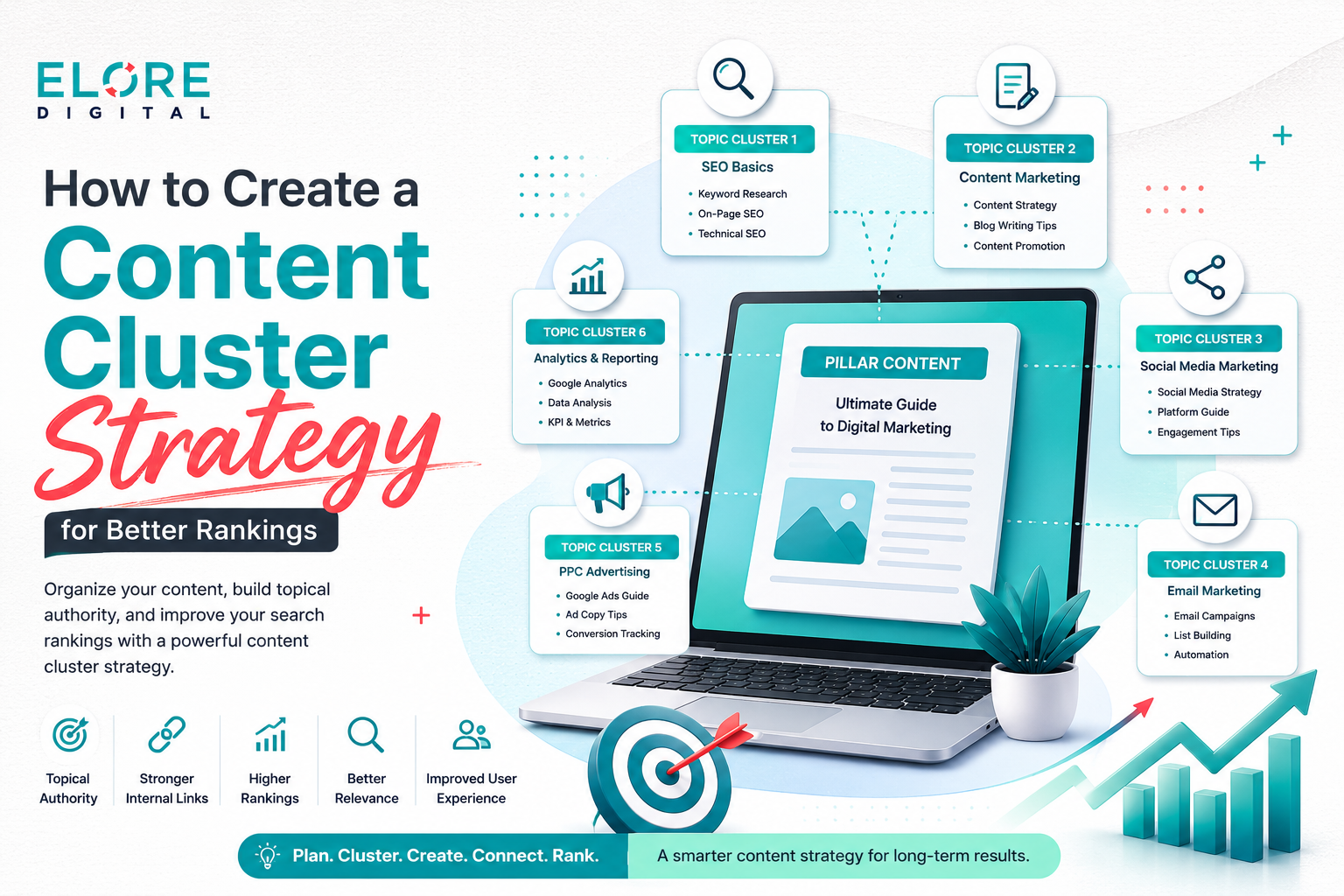
Topic clusters consist of a central page and several supporting articles. The central page covers a broad subject while supporting pages explore specific aspects. These pages are connected through internal links. This structure strengthens content relationships. It also improves overall website organization.
3.2 Creating a Strong Pillar Page
A pillar page serves as the main resource for a broad topic. It provides an overview and links to detailed supporting content. The page should be comprehensive and easy to navigate. High quality pillar pages establish authority and trust. They form the foundation of a successful topic cluster.
3.3 Connecting Related Content
Related content should be linked strategically to improve navigation and relevance. Internal links guide users to additional resources. They also help search engines understand content relationships. Strong connections create a seamless user experience. This contributes to better rankings and engagement.
3.4 Strengthening Topical Authority
Topical authority is built through consistent and comprehensive coverage of a subject. Publishing valuable content across related areas demonstrates expertise. Search engines recognize websites with strong topical authority. This often leads to higher visibility and trust. Building authority requires ongoing effort and commitment.
4. Optimizing Content for Semantic Search
Creating content that aligns with semantic search principles requires more than inserting keywords. It involves providing context, answering related questions, and covering topics thoroughly. Well optimized content helps search engines understand meaning and relevance. This increases the likelihood of appearing in relevant search results.
4.1 Using Natural Language in Content
Natural language reflects the way people communicate and search online. Content written in a conversational style is easier to understand. It also aligns with modern search engine algorithms. Natural language improves readability and engagement. This benefits both users and search performance.
4.2 Including Related Terms and Concepts
Semantic search relies on understanding relationships between concepts. Including related terms helps provide context and depth. This allows search engines to interpret content more accurately. It also improves relevance across multiple search queries. Comprehensive coverage strengthens overall optimization.
4.3 Answering User Questions Clearly
Users often search for specific answers to their questions. Content should address these questions directly and clearly. Providing valuable answers improves user satisfaction. It also increases the likelihood of appearing in featured results. Clarity and relevance are key factors for success.
4.4 Creating Comprehensive Content
Comprehensive content covers a topic thoroughly and addresses multiple aspects. It provides users with valuable insights and practical information. Detailed coverage demonstrates expertise and authority. Search engines often favor content that satisfies user needs completely. Quality and depth are essential for semantic optimization.
5. Leveraging Structured Data and Content Relationships
Structured data helps search engines better understand website content. It provides additional context about pages, topics, and entities. Combined with strong content relationships, structured data enhances visibility and relevance. Proper implementation can improve search performance and user experience.
5.1 What Is Structured Data?
Structured data is a standardized format used to provide information about a webpage. It helps search engines interpret content more effectively. This additional context can improve search visibility. Structured data supports enhanced search features. It is a valuable component of semantic optimization.
5.2 Enhancing Search Understanding
Search engines use structured information to understand page content and relationships. This improves the accuracy of search results. Better understanding leads to improved relevance and visibility. Websites that provide clear signals often gain a competitive advantage. Consistent optimization strengthens these benefits.
5.3 Building Strong Content Connections
Content relationships help establish context and authority. Related pages should support and reinforce one another. Internal linking plays an important role in creating these connections. Strong relationships improve navigation and relevance. They also contribute to better search performance.
5.4 Improving User Experience Through Organization
Well organized content is easier for users to navigate and understand. Clear structure enhances readability and engagement. Users are more likely to explore additional resources. Positive experiences contribute to improved performance metrics. Organization benefits both users and search engines.
6. Measuring Semantic Search Performance
Tracking performance is essential for evaluating the effectiveness of semantic search optimization efforts. Measuring results helps identify strengths, weaknesses, and opportunities for improvement. Data driven decisions lead to more effective strategies and better outcomes over time.
6.1 Monitoring Organic Traffic Growth
Organic traffic reflects how well content performs in search results. Increasing traffic often indicates improved visibility and relevance. Tracking growth helps evaluate optimization efforts. Analytics tools provide valuable performance insights. Consistent monitoring supports informed decision making.
6.2 Tracking Keyword Visibility
Keyword visibility measures how often content appears for relevant searches. Strong visibility indicates successful optimization. Monitoring performance helps identify opportunities for improvement. It also reveals which topics generate the most exposure. Visibility is an important metric for long term success.
6.3 Analyzing User Engagement Metrics
Engagement metrics provide insights into user behavior and satisfaction. Metrics such as session duration and page views indicate content effectiveness. Strong engagement suggests that users find value in the content. These insights can guide future optimization efforts. Continuous analysis supports ongoing improvement.
6.4 Identifying Content Improvement Opportunities
Performance data often reveals areas where content can be enhanced. Updating information and expanding coverage improves relevance. Optimization should be an ongoing process. Continuous improvements help maintain competitiveness. Regular updates support long term growth.
7. Future Trends in Semantic Search Optimization
Semantic search continues to evolve as technology advances and user expectations change. Staying informed about emerging trends helps businesses remain competitive. Future developments will place even greater emphasis on context, user intent, and content quality. Preparing for these changes ensures long term success.
7.1 The Growing Role of Artificial Intelligence
Artificial intelligence plays an increasingly important role in search technology. It helps search engines understand language and context more effectively. AI driven systems continue to improve search accuracy. Content creators must adapt to these advancements. Understanding AI trends supports better optimization strategies.
7.2 Voice Search and Conversational Queries
Voice search has changed how people interact with search engines. Users often speak in natural language and ask complete questions. Content should reflect conversational patterns and intent. Optimizing for voice search improves accessibility and visibility. This trend is expected to continue growing.
7.3 The Importance of User Experience
User experience remains a critical ranking factor. Fast loading pages and clear navigation contribute to positive interactions. Search engines prioritize content that satisfies users. Improving experience supports better engagement and retention. It also strengthens overall performance.
7.4 Adapting to Evolving Search Algorithms
Search algorithms continue to evolve in response to changing user needs. Staying updated with industry developments is essential. Flexible strategies help maintain visibility despite algorithm changes. Ongoing learning and adaptation are key to long term success. Businesses that embrace change remain competitive.
Conclusion
Semantic search optimization is no longer optional for websites that want to achieve strong search visibility and sustainable growth. By focusing on user intent, topic relevance, comprehensive content, and meaningful content relationships, businesses can create resources that satisfy both users and search engines. A successful semantic search strategy requires ongoing research, optimization, and performance monitoring. As search technology continues to evolve, organizations that embrace semantic principles will be better positioned to build authority, increase organic traffic, and achieve lasting success in search results.


Leave A Reply